

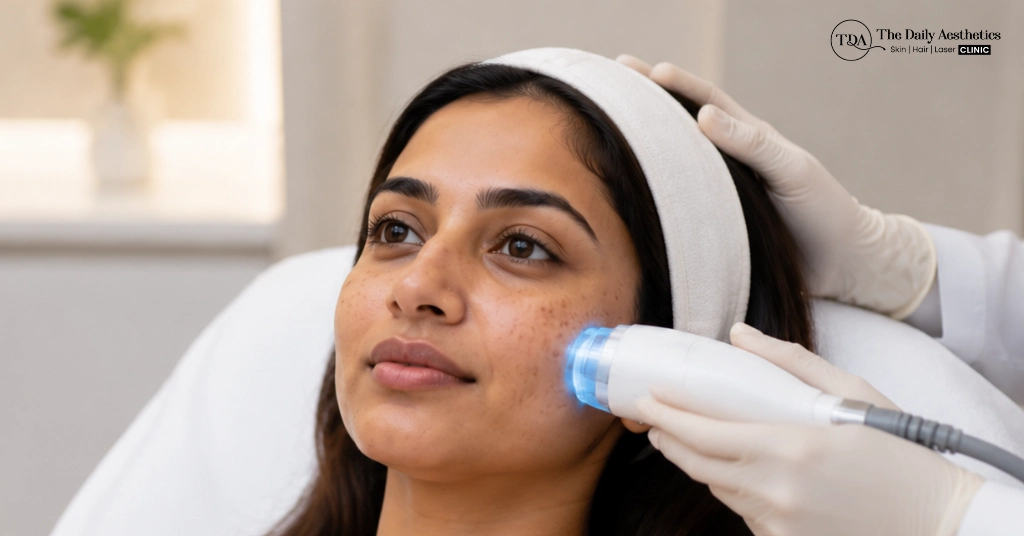
Pigmentation Treatment in Pune: Best Options for Dark Spots, Melasma & Uneven Skin
Introduction Dark spots can feel personal. A patch on the cheek, a stubborn mark after acne, or melasma that becomes darker every summer can make you think twice before stepping out without makeup. For many people in Pune, pigmentation is not only a skin concern. It can affect confidence at work, social plans, weddings, interviews, and everyday photos. The frustrating part is that pigmentation rarely has one simple cause. Melasma, sun spots, acne marks, tanning, age spots, and uneven skin tone all behave differently. Cleveland Clinic explains that melasma is linked with overproduction of pigment-producing skin cells and can be influenced by sunlight, heat, hormones, genetics, and certain medicines. That is why the best pigmentation treatment in Pune should begin with skin analysis, not a random peel, laser package, fairness cream, or home remedy. The goal is to understand what type of pigment you have, how deep it is, what triggered it, and how safely your skin can be treated. This guide explains the best options for dark spots, melasma, and uneven skin tone, including topical skincare, chemical peels, laser toning, microneedling, IPL, aftercare, cost factors, and when to book a consultation for skin pigmentation treatment at The Daily Aesthetics. Key Takeaways What is Pigmentation Treatment? Pigmentation treatment refers to medically guided skincare and in-clinic procedures used to reduce excess melanin, dark spots, melasma, post-acne marks, tanning, and uneven skin tone. The safest approach is customized after evaluating your skin type, pigment depth, triggers, treatment history, and lifestyle. Pigmentation forms when the skin produces more melanin than usual in specific areas. Melanin is the pigment that gives skin its natural color and protects it from UV exposure. When the pigment response becomes uneven, the skin can look patchy, dull, spotted, or shadowed. In Pune, we often see pigmentation concerns worsen after intense sun exposure, long commutes, outdoor work, acne flare-ups, hormonal changes, pregnancy-related melasma, harsh scrubbing, or unsupervised use of strong creams. The treatment plan may include brightening creams, sunscreen correction, chemical peels, Q-switched laser toning, IPL, microneedling, mesotherapy, or a combination plan. The best option depends on the exact type of pigmentation, not only on how dark the spot looks. Why Do Dark Spots, Melasma and Uneven Skin Happen? Dark spots, melasma, and uneven skin tone happen when melanocytes become overactive and produce extra pigment. Common triggers include UV exposure, heat, hormonal changes, acne inflammation, skin injury, genetics, aging, certain medicines, and irritation from harsh skincare or home remedies. American Academy of Dermatology self-care guidance notes that visible light can worsen melasma, especially in darker skin tones, which is why tinted sunscreen with iron oxides can be helpful for melasma-prone skin. The most common triggers we see are: This is also why two people with similar-looking cheek patches may need different plans. One may have melasma, another may have post-acne pigmentation, and a third may have mixed pigment with tanning and sunspots. Not Sure What’s Causing Your Pigmentation? Whether it’s melasma, acne marks, sun spots, or tanning, our experts at The Daily Aesthetics can accurately assess your skin and recommend the most suitable treatment. Book a Pigmentation Consultation How Can You Identify the Type of Pigmentation? You can usually guess the type of pigmentation by looking at the pattern, trigger, color, and location, but diagnosis should be confirmed during a skin assessment. A clinician may check whether the pigment is superficial, deep, mixed, inflammatory, hormonal, or sun-related. This matters because the wrong treatment can irritate the skin and make pigmentation look darker. For example, post-acne marks may need inflammation control first, while melasma may need gentle, long-term pigment regulation rather than aggressive resurfacing. Pigmentation type How it usually looks Common triggers Likely treatment direction Melasma Brown, gray-brown, or patchy areas on cheeks, forehead, upper lip, or nose Hormones, sun exposure, heat, genetics, pregnancy, birth control Sunscreen, topical pigment control, gentle peels, cautious laser toning, maintenance Post-inflammatory hyperpigmentation Dark marks left after acne, cuts, burns, waxing bumps, or rashes Inflammation and skin injury Acne control, brightening skincare, peels, microneedling, laser if suitable Sun spots / freckles Small brown spots on sun-exposed areas like face, hands, neck, arms Repeated UV exposure and aging Sun protection, peels, laser/IPL depending on depth and skin type Tanning and uneven tone General dullness, patchiness, or darker exposed areas Sun exposure, pollution, inconsistent sunscreen Sunscreen correction, peels, brightening facials, tan reduction protocols Mixed pigmentation Combination of melasma, acne marks, tanning, and dullness Multiple overlapping triggers Step-by-step combination plan with careful monitoring Note: The table is for education only. A consultation is needed before choosing treatment. Bottom Line: Pigmentation treatment works best when the cause and depth of pigment are identified before starting procedures. Which Pigmentation Treatment Options Work Best for Dark Spots and Melasma? The best pigmentation treatment option depends on the type of pigment, skin tone, depth, sensitivity, trigger, and recurrence risk. Common options include prescription-strength topical skincare, chemical peels, Q-switched laser toning, IPL, microneedling, mesotherapy, and combination therapy. Top ranking pigmentation pages commonly discuss lasers and peels first, but the strongest plans usually do not rely on one treatment alone. Pigmentation is a behavior pattern of the skin. Treatment should reduce visible pigment and also reduce the triggers that keep producing new pigment. 1. Medical Skincare and Topical Brightening Ingredients Topical skincare is often the base of a pigmentation plan. It may include ingredients such as azelaic acid, kojic acid, vitamin C, niacinamide, retinoids, hydroquinone, tranexamic acid, or other dermatologist-recommended actives depending on the case. These products can help regulate pigment formation, support cell turnover, calm inflammation, and prepare the skin for procedures. They should be used carefully because overuse or wrong combinations can cause irritation and worsen marks. 2. Chemical Peels for Superficial Pigmentation Medical chemical peels are often useful for surface-level pigmentation, tanning, dullness, mild acne marks, and uneven texture. They work by controlled exfoliation, helping damaged pigmented cells shed while encouraging fresher, more even-looking skin. Common peel types may include glycolic, lactic, salicylic, mandelic, TCA, retinol-based, or brightening peels. The right peel strength depends on skin type, pigment depth, sensitivity, acne activity, and downtime comfort. 3. Laser Toning and Q-switched Laser for Stubborn Pigment Skin
Pigmentation Treatment in Pune: Best Options for Dark Spots, Melasma & Uneven Skin Read More »
Skin Pigmentation Treatment