

Table of Contents
ToggleIntroduction
If you are dealing with acne, you are not alone.
Acne is one of the most common skin concerns in the world, and it affects people of all ages.
You might be a teenager experiencing breakouts for the first time, or an adult who is frustrated because acne keeps coming back even though you thought you had left it behind years ago.
No matter your age, acne can feel confusing, overwhelming, and emotionally draining.
One of the biggest reasons acne is so hard to manage is that not all acne is the same.
What works for your friend may not work for you.
You may have tried countless cleansers, creams, and home remedies, only to see little improvement or even worse breakouts. This often happens because the acne type is misunderstood.
Treating cystic acne like simple whiteheads or mistaking fungal acne for hormonal acne can lead to irritation, inflammation, and long-term skin damage.
Understanding what type of acne you have is the first and most important step toward treating it effectively and preventing future breakouts.
In this guide, you’ll learn the different types of acne, what causes them, how they look and feel, and which treatments are most effective for each one.
What Is Acne? A Medical Overview
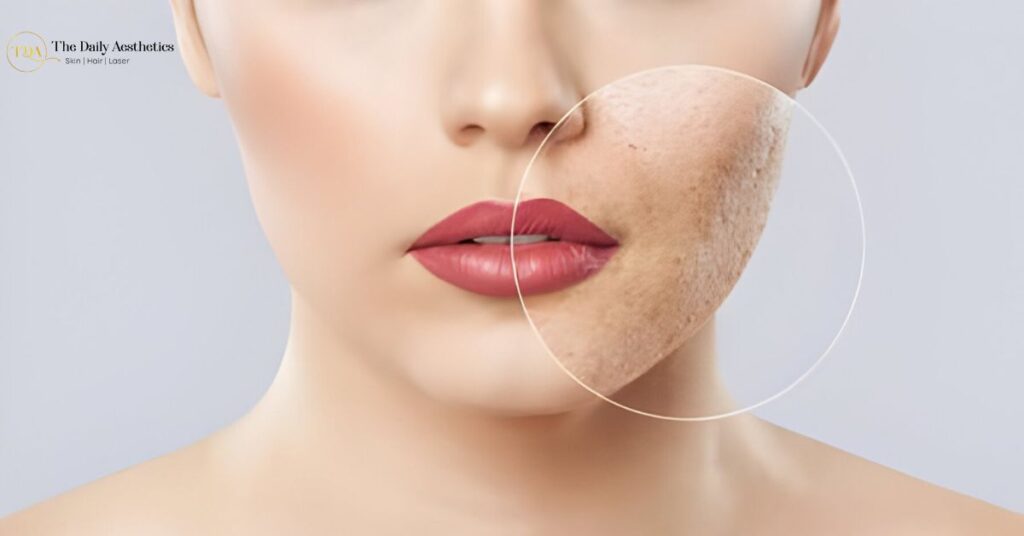
Acne is a common skin condition that develops when your pores become clogged.
These pores are connected to hair follicles and oil glands that produce sebum, which is a natural oil that protects and hydrates your skin.
Acne forms when excess oil mixes with dead skin cells and gets trapped inside the pore. This creates the perfect environment for bacteria to grow, which can lead to breakouts.
Acne is not limited to teenagers. While it often begins during puberty, many adults continue to experience acne well into their 30s, 40s, and beyond. You may notice acne on your face, chest, back, shoulders, or neck.
These areas have a higher concentration of oil glands, making them more prone to breakouts.
Occasional Breakouts vs Chronic Acne
An occasional breakout is something most people experience.
It might show up before a big event, during a stressful week, or after using a new skincare product. These breakouts usually clear on their own with basic care.
Chronic acne is different. If you notice frequent breakouts that keep returning in the same areas or never fully go away, you are likely dealing with ongoing acne.
Chronic acne often has deeper causes such as hormonal imbalances, genetics, or long-term lifestyle factors.
This type of acne usually requires a consistent and targeted treatment plan.
Main Categories of Acne
Acne is not a one-size-fits-all condition.
One of the most important steps in treating acne effectively is knowing which category it falls into.
Acne is generally divided into two main categories based on the presence or absence of inflammation.
These categories help determine which treatments will be most effective and which habits to avoid.
1. Non-Inflammatory Acne
Non-inflammatory acne is the mildest form of acne.
It develops when pores are clogged with oil and dead skin cells, but do not become irritated or infected.
This type of acne usually appears as small bumps on the skin and does not cause pain or redness.
Because there is little inflammation involved, non-inflammatory acne often responds well to consistent skincare routines and over-the-counter treatments. Whiteheads and blackheads fall into this category.
While they may be frustrating, they are generally easier to manage when treated correctly.
2. Inflammatory Acne
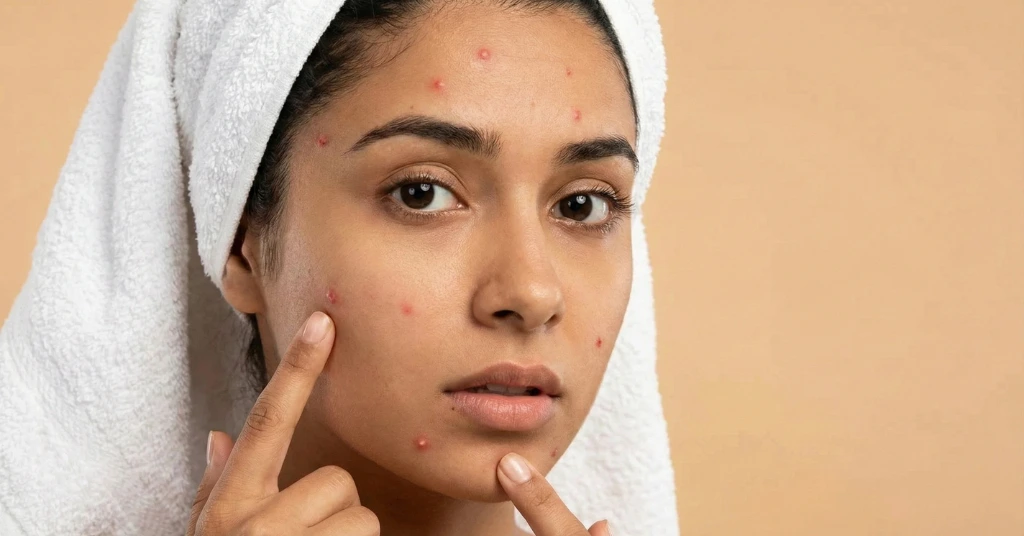
Inflammatory acne occurs when clogged pores become irritated and infected with bacteria.
This leads to redness, swelling, and tenderness. Inflammatory acne can range from small red bumps to large, deep, and painful lesions.
This category includes papules, pustules, nodules, and cystic acne. Inflammatory acne is more complex and often requires stronger treatments, prescription products, or professional care.
If left untreated, it can take longer to heal and may cause lasting skin concerns.
Non-Inflammatory Acne Types
Non-inflammatory acne is often the starting point for many people. It usually develops when pores are clogged but not infected or irritated.
This means you will not see much redness or swelling, and the breakouts are usually not painful. Even though this type of acne is considered mild, it can still be persistent and frustrating if not treated correctly.
Understanding the different forms of non-inflammatory acne can help you choose products and routines that clear your skin without causing unnecessary irritation.
1. Whiteheads (Closed Comedones)
Whiteheads are small, flesh-colored or white bumps that sit just under the surface of your skin.
They form when a pore becomes completely blocked by oil and dead skin cells.
Because the pore is closed, the trapped material does not oxidize when exposed to air, which is why whiteheads stay white or skin-colored.
You may notice whiteheads most commonly on the forehead, cheeks, chin, and nose. They can also appear on the chest and back. Whiteheads usually feel smooth to the touch and are not painful unless they become inflamed.
Whiteheads often develop because of excess oil production, improper exfoliation, or using pore-clogging skincare or makeup products.
Hormonal changes can also increase oil production and lead to more whiteheads.
2. Blackheads (Open Comedones)
Blackheads are one of the most common and recognizable forms of acne.
They appear as small dark dots on the skin, most often on the nose, chin, and forehead. Unlike whiteheads, blackheads have an open pore.
This opening allows the trapped oil and dead skin cells to come into contact with air.
The dark color of a blackhead is not dirt. It is caused by oxidation, which happens when the contents of the pore are exposed to oxygen. This is a common misunderstanding that leads many people to scrub their skin too harshly.
Blackheads can affect people with oily, combination, or even dry skin. They often form when oil production is high or when dead skin cells are not shedding properly.
Using heavy or comedogenic products can also contribute to blackhead formation.
3. Comedonal Acne
Comedonal acne is a form of non-inflammatory acne that includes a mix of whiteheads and blackheads.
If you notice many small bumps across your skin that give it a rough or uneven texture, you may be dealing with comedonal acne.
This type of acne is common in teenagers but also affects adults, especially those who use heavy skincare products or experience hormonal fluctuations. Comedonal acne often appears on the forehead, cheeks, chin, and jawline.
Comedonal acne usually does not hurt, but it can be stubborn. Because it involves ongoing pore congestion, it requires patience and consistency.
Results are not instant, and it can take weeks to see improvement.
Inflammatory Acne Types
Inflammatory acne develops when clogged pores become irritated and infected with bacteria.
Unlike non-inflammatory acne, this type involves redness, swelling, tenderness, and sometimes pain. Inflammatory acne often feels more noticeable because it can be sore to the touch and take longer to heal.
Understanding each type helps you know when at-home care is enough and when professional treatment is needed.
1. Papules
Papules are small, red, raised bumps that appear on the skin.
They do not have a visible white or yellow center, which is why they can sometimes be confused with a rash.
Papules form when the walls of a clogged pore break down and cause inflammation in the surrounding skin.
You may notice papules in clusters, especially on the cheeks, forehead, and chin. They often feel tender and may be sensitive when you touch them. Papules are usually an early stage of inflammatory acne, which means timely treatment can help prevent them from becoming more severe.
Papules often develop when non-inflammatory acne is left untreated or when the skin becomes irritated by harsh products.
Over-cleansing, aggressive exfoliation, and picking at the skin can all increase inflammation and lead to papules.
2. Pustules
Pustules are what many people think of as classic pimples.
They appear as red, inflamed bumps with a visible white or yellow center filled with pus.
Pustules form when bacteria, oil, and dead skin cells become trapped inside the pore and trigger an immune response.
Pustules are often more noticeable and tempting to pop, but doing so can cause damage beneath the skin. Popping can push bacteria deeper into the pore, increase inflammation, and raise the risk of lingering redness or uneven texture.
You may see pustules appear on the face, chest, back, and shoulders. They can occur occasionally or in larger groups, depending on the severity of your acne.
Hormonal changes, stress, and improper skincare routines can all contribute to pustule formation.
3. Nodules
Nodules are large, solid, painful lumps that form deep beneath the surface of the skin.
Unlike papules and pustules, nodules do not come to a head and cannot be treated with surface-level products alone.
They develop when inflammation spreads deep into the skin and affects the surrounding tissue.
You may feel nodules before you see them. They often feel hard, sore, and swollen, and they can last for weeks or even months. Nodules commonly appear on the jawline, cheeks, and back, where oil glands are more active.
Nodular acne carries a higher risk of long-term skin damage if not treated properly.
Because nodules form deep in the skin, picking or squeezing them can cause significant inflammation and delay healing.
4. Cystic Acne
Cystic acne is the most severe form of inflammatory acne.
It appears as large, soft, painful lumps under the skin that may be red or skin-colored.
These cysts form when infection and inflammation go deep into the skin and create a fluid-filled lesion.
Cystic acne is often linked to hormonal imbalances, which is why it commonly appears along the jawline, chin, and lower cheeks. You may notice flare-ups around your menstrual cycle or during periods of high stress.
This type of acne can be physically painful and emotionally distressing. Cystic lesions take a long time to heal and often require medical-grade treatment.
Over-the-counter products alone are usually not enough and may even irritate the skin further.
Acne Types Often Misdiagnosed
Not all acne responds to traditional acne treatments. In many cases, breakouts continue because the condition has been misidentified.
Some acne-like conditions look similar on the surface but have different underlying causes. When these types are treated incorrectly, the skin can become more irritated, and breakouts may worsen.
Learning to recognize these commonly misdiagnosed acne types can help you avoid unnecessary frustration and get the right treatment sooner.
1. Hormonal Acne
Hormonal acne is very common, especially in adults. It is closely linked to fluctuations in hormones such as estrogen, progesterone, and androgens.
You may notice this type of acne appearing or worsening during your menstrual cycle, pregnancy, postpartum period, or times of high stress.
Hormonal acne often shows up along the jawline, chin, and lower cheeks. The breakouts tend to be deeper, more painful, and slower to heal. You may notice cysts or nodules rather than small surface-level pimples.
One of the challenges with hormonal acne is that it often does not respond well to typical over-the-counter treatments. You might find that your acne improves slightly but never fully clears.
This is because hormonal acne starts from within the body, not just on the surface of the skin.
2. Fungal Acne (Malassezia Folliculitis)
Fungal acne is often mistaken for traditional acne, but it is actually caused by an overgrowth of yeast on the skin.
This yeast lives naturally on your skin, but certain conditions can cause it to multiply.
Heat, sweat, humidity, and occlusive skincare products are common triggers.
Fungal acne appears as small, uniform bumps that often look the same size. It commonly shows up on the forehead, hairline, chest, back, and shoulders. One key sign is itching, which is not typical of regular acne.
Because fungal acne is not caused by bacteria, standard acne treatments often make it worse.
Products designed to kill acne bacteria or dry out oil can disrupt the skin and allow yeast to thrive.
3. Acne Mechanica
Acne mechanica is caused by friction, pressure, heat, and sweat.
This type of acne is common in athletes, people who wear helmets or tight clothing, and anyone who regularly wears face coverings for long periods.
You may notice breakouts in areas where skin is constantly rubbing against fabric or equipment. Common locations include the jawline from mask use, the forehead from helmets, or the shoulders and back from tight straps.
Acne mechanica often starts as small bumps that can become inflamed over time.
Sweat trapped against the skin creates an environment where pores become clogged more easily.
4. Acne vs Rosacea
Rosacea is a chronic skin condition that is often mistaken for acne.
While both conditions can cause redness and bumps, they are not the same and require different treatments.
Rosacea typically causes persistent redness, flushing, and visible blood vessels, especially on the cheeks and nose. The bumps associated with rosacea do not usually contain pus, like acne pustules do.
Using traditional acne treatments on rosacea can make symptoms worse by irritating the skin. This is why correct diagnosis is so important.
If your skin is sensitive, flushes easily, or reacts strongly to products, it may be worth considering whether rosacea is contributing to your symptoms.
What Causes Acne?
Acne does not have a single cause.
It develops due to a combination of internal and external factors that affect how your skin behaves.
Understanding what triggers your acne can help you make better choices and avoid habits that unknowingly make breakouts worse.
Internal Causes of Acne
Internal factors are things happening inside your body that influence your skin.
- Hormones: Hormones are one of the biggest contributors to acne. Androgens, which are hormones present in all genders, can increase oil production. When oil levels rise, pores are more likely to clog.
- Genetics: If acne runs in your family, you may be more prone to developing it. Genetics can influence oil production, skin cell turnover, and how your body responds to inflammation.
- Stress: When you are stressed, your body releases hormones that can increase oil production and inflammation. Stress also affects sleep and lifestyle habits, which can indirectly impact your skin.
- Diet: Certain foods may trigger breakouts for some people, while others see no change. The key is paying attention to patterns rather than following extreme restrictions.
External Causes of Acne
External causes are factors from your environment or daily routine that affect your skin.
- Skincare and makeup products: Products that are too heavy, greasy, or pore-clogging can lead to breakouts, especially if they are not removed properly.
- Using too many active ingredients: When your skin barrier becomes compromised, it can lead to inflammation and increased breakouts.
- Environmental pollution: exposes your skin to dirt and particles that can settle into pores. Without proper cleansing, these pollutants can contribute to congestion and irritation.
- Sweat: When sweat mixes with oil and bacteria and sits on the skin, it can clog pores. This is why breakouts often appear after workouts if the skin is not cleansed properly.
Lifestyle Factors That Trigger Acne
Your daily habits have a strong impact on your skin.
- Poor sleep can disrupt hormone balance and increase inflammation. If you are not getting enough rest, your skin may struggle to heal and regulate oil production.
- Touching your face frequently can transfer bacteria and oil from your hands to your skin. Picking at breakouts can also worsen inflammation and slow healing.
- Hygiene misconceptions can also cause issues. Over-cleansing or scrubbing too hard can strip your skin of its natural oils. This often leads to increased oil production and more breakouts.
Acne Treatment Options
Once you understand what type of acne you have and what may be causing it, the next step is choosing the right treatment.
Acne treatment is not about finding a quick fix. It is about creating a plan that works with your skin and addresses the root of the problem.
Treatments range from over-the-counter options to professional and medical-grade solutions, and the best approach often combines more than one method.
Over-the-Counter Treatments
Over-the-counter acne treatments are often the first place people start.
These products are widely available and can be effective for mild to moderate acne when used consistently. Common active ingredients include salicylic acid, benzoyl peroxide, and retinoids.
Salicylic acid helps exfoliate inside the pores, which makes it especially useful for blackheads and whiteheads. Benzoyl peroxide works by reducing acne-causing bacteria, making it helpful for inflammatory acne. Retinoids help regulate skin cell turnover and prevent pores from becoming clogged.
While these ingredients can be helpful, using too many at once can irritate your skin. Irritation can weaken your skin barrier and lead to more breakouts. Starting slowly and using gentle supporting products is key.
Over-the-counter treatments work best when paired with a simple, consistent skincare routine.
Cleansing, moisturizing, and protecting your skin with sunscreen all support the healing process.
2. Prescription Treatments
When acne is persistent, painful, or not responding to over-the-counter products, prescription treatments may be needed.
These treatments are stronger and are often used to target deeper inflammation or hormonal causes.
Topical prescription treatments may include stronger retinoids or antibacterial agents. These help reduce inflammation, control bacteria, and prevent new breakouts from forming.
Oral medications are sometimes used for moderate to severe acne. These may help reduce inflammation or address hormonal imbalances. Oral treatments are typically used under professional supervision and are often combined with topical care for the best results.
Prescription treatments require patience. It can take several weeks before you notice improvement, and some initial purging may occur as your skin adjusts.
3. Professional Treatments
Professional acne treatments are designed to support your skin in ways that at-home care cannot.
These treatments can help reduce active breakouts, calm inflammation, and improve overall skin health.
Medical-grade facials help deeply cleanse pores and remove buildup in a controlled and gentle way.
Chemical peel treatment can help exfoliate the skin and improve texture while supporting acne control. Light-based and laser therapies may also be used to target bacteria and inflammation.
Professional treatments are most effective when customized to your skin type and acne condition.
They are often used alongside a home care routine for long-term results.
4. Natural and Supportive Treatments
Some people look for natural or supportive options to complement their acne treatment plan.
While natural does not always mean better, certain lifestyle changes can support skin health.
Managing stress, maintaining a balanced diet, and getting enough sleep all play a role in skin balance. Using gentle, non-comedogenic products and avoiding harsh scrubs can also help reduce irritation.
It is important to be cautious with home remedies. Not all natural ingredients are safe for acne-prone skin, and some can cause irritation or allergic reactions.
Conclusion
Acne can feel overwhelming, especially when you have tried multiple products and nothing seems to work. Understanding whether your acne is non-inflammatory or inflammatory helps you make better choices from the start.
If you feel stuck, confused, or tired of trial and error, professional support can make all the difference. Working with experts who understand skin health allows you to move forward with confidence instead of frustration.
At The Daily Aesthetics, we provide specialized acne treatment in Pune, approached with expertise, precision, and a deep understanding that everyone’s skin is unique. Under the expert guidance of Dr. Arshi Rahul, our team focuses on customized solutions that go beyond surface-level treatments, helping you address the root cause of your acne while supporting long-term skin health.
If you are ready to stop guessing and start seeing real results, now is the time to take action. Contact The Daily Aesthetics today to schedule a personalized consultation at our Pune clinic and take the first step toward clearer, healthier skin.
Frequently Asked Questions
1) What type of acne is the hardest to treat?
Cystic acne is generally the hardest type of acne to treat. It forms deep under the skin and is often linked to hormonal imbalances. Because it is not just a surface issue, over-the-counter products alone are usually not enough. Cystic acne often requires professional evaluation and a customized treatment plan to reduce inflammation and prevent ongoing flare-ups.
2) Is adult acne different from teenage acne?
Yes, adult acne is different in several ways. Teenage acne is often driven by puberty-related hormone changes and usually appears on the forehead, nose, and cheeks. Adult acne tends to show up along the jawline, chin, and lower face and is more commonly linked to hormonal fluctuations, stress, and lifestyle factors. Adult acne is also often deeper and more persistent.
3) How long does acne treatment take to show results?
Acne treatment takes time, and results do not happen overnight. Most treatments need at least six to eight weeks before you start seeing noticeable improvement. This is because your skin needs time to adjust and go through its natural renewal cycle. Consistency is key. Switching products too often can slow progress and cause irritation.
4) Can hormonal acne go away on its own?
Hormonal acne may improve on its own, especially if it is linked to temporary changes such as stress or a short-term hormone shift. However, for many people, hormonal acne continues without proper treatment. Addressing the hormonal component and supporting skin balance often leads to better and more lasting results.
5) Is fungal acne common?
Fungal acne is more common than many people realize, but it is often misdiagnosed as regular acne. It tends to appear as small, uniform bumps and is often itchy. Because it is caused by yeast rather than bacteria, it requires a different treatment approach. If traditional acne treatments are not working or make your skin worse, fungal acne may be a possibility.
6) Can stress really cause acne?
Yes, stress can play a significant role in acne. When you are stressed, your body releases hormones that can increase oil production and inflammation. Stress can also affect sleep and lifestyle habits, which indirectly impact your skin. Managing stress is an important part of both acne treatment and prevention.
7) Should I pop my pimples?
Popping pimples is not recommended. When you squeeze a breakout, you can push bacteria and inflammation deeper into the skin. This increases healing time and raises the risk of lingering redness or uneven texture. If a blemish is painful or persistent, professional care is a safer option.
8) When should I seek professional acne treatment?
You should consider professional treatment if your acne is painful, persistent, worsening, or affecting your confidence. If over-the-counter products are not helping after several weeks, or if you are unsure what type of acne you have, a professional evaluation can save you time and frustration. Personalized care helps you treat acne correctly from the start.
The Daily Aesthetics Clinic – Redefining Skin & Hair Treatments in Pune
The Daily Aesthetics Clinic is a trusted dermatology and aesthetic center in Pune, offering advanced treatments for acne, pigmentation, hair loss, laser hair removal, Hydrafacials, hair transplants, and personalized skincare.
Under the guidance of Dr. Arshi Rahul, the clinic combines medical expertise with FDA-approved technology to deliver customized treatment plans that focus on restoring skin health, enhancing radiance, and ensuring every patient feels confident and cared for.
With the trust of over 3,500 patients and a 4.9★ rating, The Daily Aesthetics Clinic is known for delivering effective, safe, and personalized care in a calm, welcoming setting.
We serve clients across Pune through our three conveniently located clinics in Baner, Kharadi, and Kalyani Nagar.

Dr. Arshi Rahul
Aesthetic Physician & Skin Specialist | 11+ years of experience
Expert Dermo-Cosmetologist & Trichologist (Gold Coast Training Academy, Australia) | Certified in Laser, Botox, Fillers & Thread Lifting | Over 10 Years of Advanced Aesthetic Expertise