

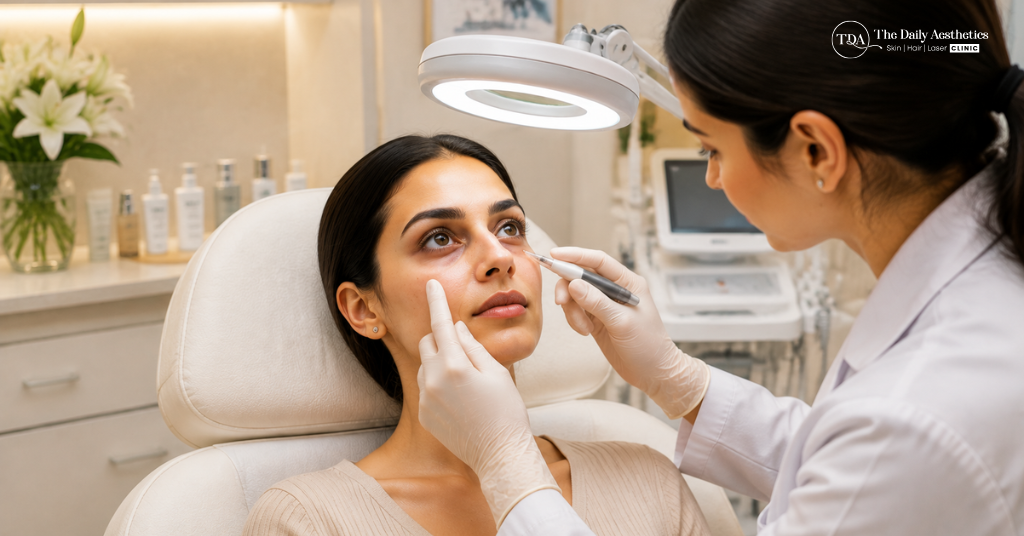
Dark Circles Treatment: Fillers vs PRP vs Laser – Which One Do You Actually Need?
Introduction Dark circles can feel unfair. You may sleep properly, drink water, use eye creams, and still hear, “You look tired.” For many people, concern is not just the shadow under the eyes. It is the way it changes the whole face, especially in photos, video calls, weddings, interviews, and everyday conversations. The confusing part is that dark circles do not have one single cause. Some are caused by hollow tear troughs. Some are caused by pigmentation. Some come from thin skin, visible vessels, allergies, puffiness, genetics, or a mix of several factors. That is why the real question is not “Which treatment is best?” The better question is: what type of dark circle do you have? Fillers, PRP, and laser treatment work in different ways, and choosing the wrong one can lead to disappointment, unnecessary expense, or avoidable risk. This guide compares fillers vs PRP vs laser for dark circles in a practical, medically responsible way. It also explains when to consider a consultation at The Daily Aesthetics Clinic in Pune so your under-eye treatment is based on diagnosis, not trend-based guesswork. Key Takeaways What is the Real Difference Between Dark Circles, Hollows and Under-eye Bags? Dark circles are darker-looking areas below the eyes, while hollows are structural dips that create shadows, and under-eye bags are puffiness or swelling. Some under-eye darkness can improve with self-care, while options such as lasers, peels, fillers, PRP, or surgery may be discussed when home care is not enough. This difference is important because people often call everything “dark circles.” A brown patch, a bluish tone, a hollow groove, and a puffy bag can look similar in the mirror, but they respond to very different treatments. A person with hollow tear troughs may need volume support. A person with brown pigmentation may need pigment control. A person with thin under-eye skin may need collagen and skin-quality support. A person with true under-eye bags may need a different evaluation altogether. Before choosing filler, PRP, or laser, your first step should be identifying the visible pattern. This is where a proper under-eye assessment becomes valuable. Concern type How it may look Common reason Treatment direction Hollow / structural dark circles A dip or groove under the eye that creates a shadow Tear trough anatomy, volume loss, bone structure, aging Fillers may be discussed if anatomy is suitable Pigmented dark circles Brown, tan, grey-brown or darker patches under the eyes Melanin, sun exposure, genetics, rubbing, post-inflammatory changes Laser, peels, topical care or combination plans may help Vascular / thin-skin circles Blue, purple or reddish tones that look worse when skin is thin Visible vessels, skin thinning, poor sleep, allergies, circulation factors PRP, skin boosters, topical care or cautious laser may be considered Under-eye bags Puffiness or bulging under the lower eyelid Fluid retention, allergies, fat pad protrusion, aging Lifestyle, allergy care, selected energy treatments or surgical referral may be needed Mixed dark circles Hollowing plus brown pigment, thin skin, or puffiness Multiple overlapping causes Combination plan in the right sequence Note: This table is a guide, not a diagnosis. A skin and facial assessment is needed before treatment selection. Bottom Line: Dark circle treatment works best when the concern is classified before the treatment is chosen. Not Sure What Type of Dark Circle You Have? A consultation at The Daily Aesthetics Clinic can help identify whether your under-eye concern is pigmentation, hollowness, thin skin, puffiness, or a mixed pattern. Book an Under-Eye Assessment Why Do Dark Circles Happen Even When You Sleep Well? Dark circles can persist despite good sleep because they may be linked to genetics, aging, pigmentation, thin skin, allergies, volume loss, sun exposure, or facial anatomy. Sleep can make existing darkness look worse, but it is not always the root cause. Several factors can contribute to dark under-eye areas, including eczema, melasma, sun exposure, alcohol overuse, smoking, and underlying health or skin conditions that need proper care. This is why “sleep more” advice can feel frustrating. It may help if fatigue is a major factor, but it will not correct a tear through hollow, inherited pigmentation, chronic allergy rubbing, or skin thinning. Common triggers that may worsen under-eye darkness include: Fillers vs PRP vs Laser: Which One Treats Which Type of Dark Circle? Fillers usually suit hollow or shadow-based dark circles; PRP usually suits thin or crepey skin quality concerns, and laser usually suits pigmentation or texture-related darkness. If your dark circles are mixed, you may need staged combination treatment instead of choosing only one option. The simplest way to remember it is this: filler supports shape, PRP supports skin quality, and laser supports pigment and texture. But the eye area is too delicate for self-selection, so this rule should be used only as a starting point for discussion. Treatment Best for How it works Typical result pattern Key caution Under-eye fillers Tear trough hollows and shadowing from volume loss Hyaluronic acid filler adds support where the lower eyelid meets the cheek Often visible earlier because the shadow is physically softened Not ideal for major puffiness, poor lymphatic drainage, or unsuitable anatomy PRP Thin, dull, crepey, tired-looking skin and some texture concerns Platelets from your own blood are prepared and delivered to support repair signals Gradual improvement over weeks and sessions Evidence for aesthetic use is still evolving, so expectations should stay realistic Laser Pigmented dark circles, texture, fine lines, and selected vascular or collagen concerns Laser energy targets pigment or stimulates collagen depending on the device and settings Progressive change over a series of sessions Indian skin tones need careful settings to reduce pigmentation risk Combination plan Mixed hollows plus pigment, thin skin, or puffiness Treats layers in sequence instead of forcing one method More balanced, natural-looking improvement when planned well Requires patience, staging, and clear aftercare Note: Exact treatment selection depends on anatomy, skin tone, medical history, allergies, previous procedures, and expectations. Bottom Line: The best treatment is not the strongest treatment; it is the one that matches the visible cause. When Do Under-eye Fillers Make Sense for Dark Circles? Under-eye fillers may make sense when the dark circle is mainly a hollow shadow, not true brown pigmentation. Hyaluronic acid filler may be used where the under-eye area and
Dark Circles Treatment: Fillers vs PRP vs Laser – Which One Do You Actually Need? Read More »
Dark Circles