

Table of Contents
ToggleIntroduction
You look in the mirror and notice something has changed.
The lines on your forehead seem deeper. Your smile lines linger longer. Maybe your cheeks do not look as full as they used to.
You have heard about Botox and dermal fillers, but now you are stuck wondering which one is actually right for you.
If you feel confused, you are not alone. Many people use the terms Botox and fillers interchangeably. In reality, they are completely different treatments that solve different problems.
Choosing the right one depends on what is causing your concern in the first place.
Are your wrinkles caused by repeated facial movement? Or are they caused by volume loss and collagen breakdown?
That is the key question.
Both Botox and dermal fillers are non-surgical cosmetic treatments. They are quick, minimally invasive, and widely used.
According to the American Society of Plastic Surgeons, millions of injectable treatments are performed every year in the United States.
But popularity does not automatically mean one is better than the other. The right treatment for you depends on your facial anatomy, your age, your goals, and your expectations.
In this guide, you will learn exactly how Botox works and how dermal fillers work. You will understand the real difference between muscle-related wrinkles and volume-related aging. You will discover which treatment is better for forehead lines, smile lines, lip enhancement, cheek volume, and preventative anti-aging.
What is Botox?
If you are thinking about smoothing wrinkles without surgery, Botox is usually the first treatment you hear about.
It has been used cosmetically for decades and remains one of the most requested non-surgical procedures in the United States.
Botox is a brand name for botulinum toxin type A. It is an FDA-approved neuromodulator that temporarily relaxes specific facial muscles.
The word toxin can sound intimidating. However, in cosmetic treatments, it is used in very small, controlled amounts. When injected by a licensed and experienced provider, it is considered safe and effective.
Botox is not a filler. It does not add volume to your face. Instead, it works on the muscles beneath your skin.
Every time you smile, frown, squint, or raise your eyebrows, your facial muscles contract. Over time, these repeated movements create lines in the skin. These are called dynamic wrinkles because they form from movement.
Botox works by blocking the nerve signals that tell certain muscles to contract. When those muscles relax, the skin above them appears smoother.
How Botox Works
The treatment itself is quick. Most appointments take about 10 to 20 minutes. A very fine needle is used to inject small amounts of Botox into targeted muscles.
You will not see results immediately. Most people begin to notice smoother skin within three to seven days. Full results usually appear around two weeks after treatment.
The effects are temporary. On average, Botox lasts about three to four months. After that, muscle movement gradually returns, and lines may start to reappear.
Many people schedule maintenance appointments three or four times per year to keep results consistent.
Best Treatment Areas
Botox works best for areas where wrinkles are caused by muscle movement. These include:
- Forehead lines
- Frown lines between your eyebrows
- Crow’s feet around your eyes
- Bunny lines on the nose
- Chin dimpling
- Jawline slimming for teeth grinding
If your wrinkles are most noticeable when you make facial expressions, Botox is often the right solution.
What Botox Does Not Do
It is important to understand Botox’s limitations.
Botox does not:
- Add volume to hollow cheeks
- Plump lips
- Fill deep folds caused by sagging
- Restore lost facial structure
If your concern is volume loss rather than muscle movement, you will likely need dermal fillers instead.
What Are Dermal Fillers?
If Botox relaxes muscles, dermal fillers restore volume.
As you age, your face naturally loses collagen, fat, and bone density.
This process starts earlier than most people realize, often in your late 20s. Over time, that volume loss can make your cheeks look flatter, your under eyes appear hollow, and your smile lines more pronounced.
Dermal fillers are gel-like substances injected beneath the skin to restore lost volume.
The most common type of filler is made from hyaluronic acid, a substance your body naturally produces to keep skin hydrated and plump.
Unlike Botox, fillers do not affect muscle movement. Instead, they physically fill in areas that have thinned or hollowed over time.
Hyaluronic acid fillers are popular because they:
Attract water
Add immediate volume
Provide soft and natural results
Can be dissolved if needed
Other types of fillers stimulate collagen production over time, helping your skin gradually regain structure.
How Fillers Work
Think of dermal fillers as support beneath your skin.
When volume decreases in your face, the skin has less structural support. That can create folds, sagging, and shadows. By placing filler strategically, your provider restores contour and balance.
Results are visible immediately after treatment, although mild swelling can temporarily exaggerate the effect for a few days.
Depending on the product used and the treatment area, fillers typically last between 6 and 24 months.
Common Treatment Areas
Dermal fillers are commonly used for:
- Lip enhancement
- Cheek volume restoration
- Nasolabial folds, also known as smile lines
- Jawline definition
- Chin projection
- Under-eye hollows
If your concern is sagging, hollowing, or loss of facial fullness, fillers are usually the better choice.
What Fillers Do Not Do
Dermal fillers do not stop muscle movement. They will not prevent dynamic wrinkles from forming if those wrinkles are caused by repeated expressions.
If you have deep forehead lines that appear when you raise your eyebrows, filler alone will not solve the problem. That is where Botox may come in.
Now that you understand how both treatments work individually, it is time to compare them side by side.
Botox vs Dermal Fillers: Key Differences
Now that you understand how Botox and dermal fillers work on their own, let’s compare them directly.
This is where most confusion disappears.
Botox and fillers both reduce signs of aging. But they work in completely different ways. One relaxes muscles. The other restores volume. If you mix that up, you may choose the wrong treatment for your concern.
Let’s break it down clearly.
| Feature | Botox | Dermal Fillers |
| Purpose | Relaxes muscles | Restores volume |
| Best For | Dynamic wrinkles | Static wrinkles and hollow areas |
| Results | 3 to 7 days | Immediate |
| Duration | 3 to 4 months | 6 to 24 months |
| Prevents wrinkles | Yes | No |
| Adds volume | No | Yes |
Which Treatment is Right for You?
Now that you understand the difference between Botox and dermal fillers, let’s make this personal.
You do not need both treatments just because they are popular. You need the one that matches your specific concern.
The easiest way to decide is to look at what is bothering you in the mirror.
1. For Forehead Wrinkles
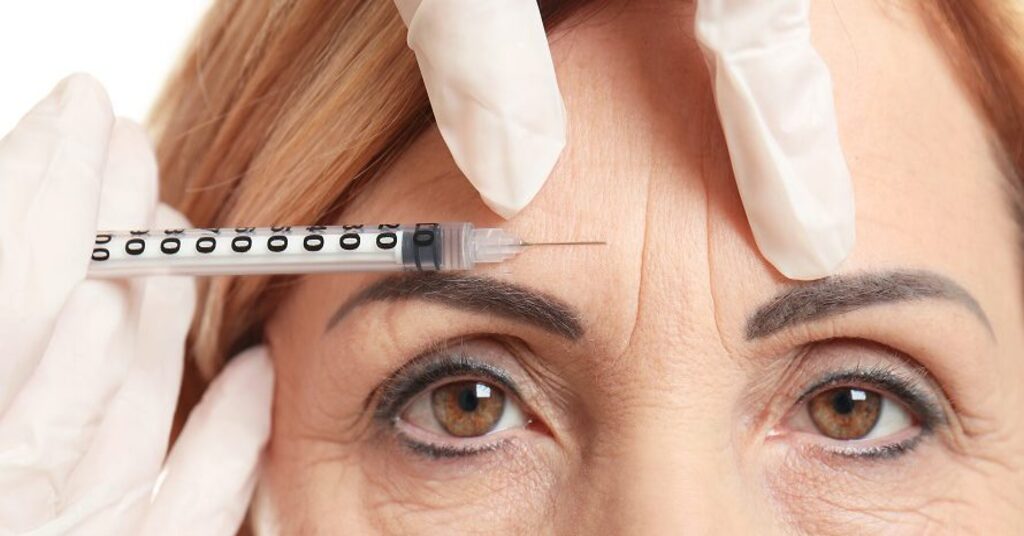
If your forehead lines appear mainly when you raise your eyebrows, Botox is usually the better option.
Those lines are caused by repeated muscle movement. Relaxing the muscle softens the crease. If the lines are already deep and visible at rest, you may still start with Botox. In some cases, a small amount of filler can be added later if needed.
But for most people, forehead wrinkles respond best to Botox.
2. For Smile Lines
Smile lines, also known as nasolabial folds, are usually caused by volume loss and shifting fat pads.
If those lines are visible even when your face is relaxed, filler is typically more effective. By restoring volume around the cheeks and folds, you reduce the shadow and depth of the crease.
Botox alone will not fix this area.
3. For Lip Enhancement
If you want fuller, more defined lips, dermal fillers are the right choice.
Botox does not add volume. It can slightly relax muscles around the mouth in certain cases, but it does not create plumpness.
Lip fillers allow you to control shape, balance, and symmetry. You can choose subtle hydration or noticeable volume depending on your preference.
4. For Jaw Slimming
If you clench your jaw or grind your teeth, Botox may help slim the lower face.
When injected into the masseter muscles, Botox relaxes and reduces the muscle bulk over time. This can create a softer jawline and reduce tension.
Fillers would not address muscle thickness in this area.
5. For Cheek Volume Loss
If your cheeks look flatter or you notice sagging in the midface, fillers are usually the best option.
Cheek filler restores structural support. When placed correctly, it can lift the midface slightly and reduce the appearance of folds below.
Botox does not replace lost volume in the cheeks.
6. For Preventive Anti-Aging in Your 20s or 30s
If you are starting to see fine lines when you make expressions, but they disappear at rest, Botox can be a preventative tool.
By reducing strong muscle contractions early, you may slow the formation of deeper static wrinkles later.
Fillers are typically not necessary at this stage unless you have specific concerns about volume or lip shape.
Can You Combine Botox and Fillers?
Here is something many people do not realize.
Botox and dermal fillers are not competitors. They are teammates.
If you address only muscle movement but ignore volume loss, your results may look incomplete. If you restore volume but leave strong muscle contractions untreated, wrinkles may still appear.
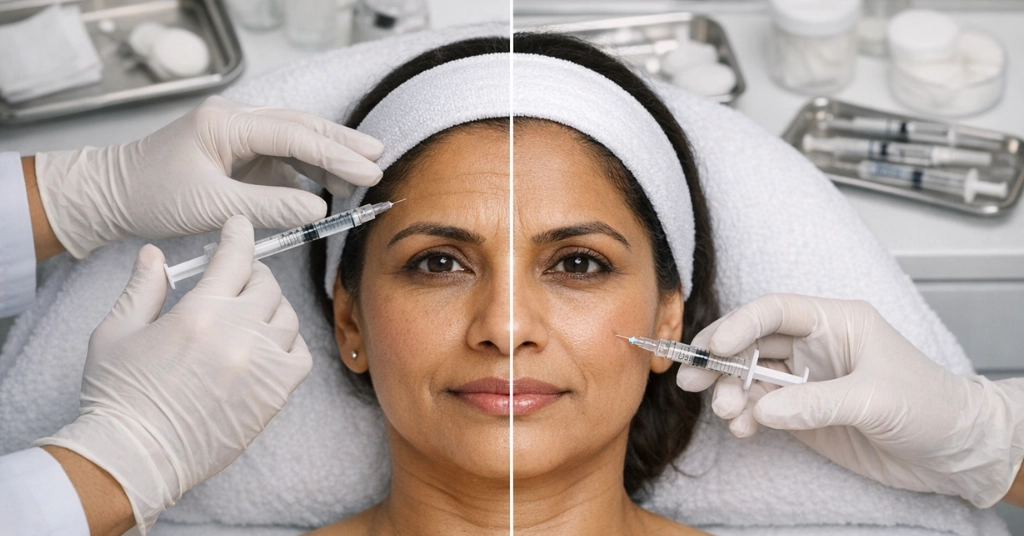
When used together strategically, Botox and fillers can create balanced, natural-looking rejuvenation.
What Is a Liquid Facelift?
You may have heard the term liquid facelift. This refers to a customized treatment plan that combines Botox and fillers to refresh the entire face without surgery.
Instead of tightening skin surgically, your provider:
- Relaxes wrinkle-causing muscles with Botox
- Restores lost volume with filler
- Improves facial proportions and contour
The goal is subtle enhancement. You still look like yourself. Just more rested and refreshed.
How They Complement Each Other
Think about facial aging as a two-part process.
First, repeated muscle movement creates expression lines.
Second, collagen and fat loss reduce structural support.
Botox addresses the first issue.
Fillers address the second.
For example:
- Botox softens forehead lines.
- Filler restores cheek volume.
- Botox relaxes crow’s feet.
- Filler smooths smile lines.
When both are used together thoughtfully, the face looks smoother and more lifted overall.
Who Benefits Most from Combination Treatment?
Combination treatments are common for people in their 30s, 40s, and 50s who are noticing multiple signs of aging at once.
If you see both:
- Dynamic wrinkles when you move
- Volume loss when your face is relaxed
You may benefit from using both treatments in different areas.
However, this does not mean you need everything at once. A good provider will prioritize the areas that make the biggest impact first.
The key is balance.
Too much Botox can make your face look stiff. Too much filler can make it look heavy. The best results come from conservative dosing and strategic placement.
Cost Comparison: Botox vs Fillers
When you are deciding between Botox and dermal fillers, cost naturally becomes part of the conversation.
You want results, but you also want to understand what you are committing to financially.
The truth is, pricing depends on several factors. These include your location, your provider’s experience, the number of units or syringes used, and how often you maintain treatment.
Let’s break it down clearly so you know what to expect.
How Botox Is Priced
Botox is typically priced per unit. The number of units you need depends on:
- The area being treated
- The strength of your muscles
- Your desired level of movement
For example, forehead lines may require anywhere from 10 to 30 units. Frown lines may require 15 to 25 units. Crow’s feet are often treated with 10 to 15 units per side.
Because it is priced per unit, the total cost varies from person to person.
Since Botox lasts about three to four months, most people repeat treatment three to four times per year.
When you calculate annual maintenance, you should multiply the cost of one session by how many times you plan to return each year.
How Fillers Are Priced
Dermal fillers are priced per syringe. One syringe is usually 1 milliliter of product.
Different areas require different amounts. For example:
- Lip enhancement may require one syringe.
- Cheek restoration may require one to two syringes per side.
- Deeper folds may require multiple syringes depending on severity.
In the United States, filler syringes commonly range from $600 to $1,000 or more per syringe, depending on the brand and provider.
While this may seem higher upfront than Botox, fillers typically last longer. Some hyaluronic acid fillers last 6 to 12 months, while others can last up to 18 or even 24 months.
This means you may not need maintenance as often.
Conclusion
By now, you understand the real difference between Botox and dermal fillers.
Botox relaxes muscles.
Fillers restore volume.
If your wrinkles are caused by repeated facial movement, Botox may be the right solution.
If you are noticing hollow areas, sagging, or loss of contour, fillers may be the better choice.
In many cases, the most natural and balanced results come from combining both treatments strategically.
The most important thing to remember is this. There is no universal answer. The right treatment depends on your face, your goals, and your expectations.
That is why a personalized consultation matters.
At The Daily Aesthetics, your treatment plan is never one size fits all. Your face is carefully assessed. Your concerns are heard. Your natural features are respected.
The goal is not to change how you look. The goal is to refresh and enhance what is already there.
If you are ready to find out which treatment is right for you, the next step is simple.
Contact The Daily Aesthetics today to schedule your personalized consultation.
Frequently Asked Questions (FAQs)
1. Is Botox safer than fillers?
Both are safe when performed by a qualified medical provider. Safety depends more on the injector’s skill and proper product use than the treatment itself.
2. Which lasts longer?
Fillers usually last longer. Botox lasts about 3 to 4 months. Fillers can last from 6 months up to 2 years, depending on the type and area treated.
3. Which looks more natural?
Both can look natural when done correctly. The key is conservative dosing and proper placement.
4. Can Botox lift sagging skin?
Not really. Botox relaxes muscles but does not replace lost volume. Fillers are better for lifting areas affected by volume loss.
5. Can fillers replace Botox?
No. Fillers add volume. Botox reduces muscle movement. They treat different causes of wrinkles.
6. What age should you start?
There is no perfect age. Some people start Botox in their late 20s for prevention. Fillers are usually considered once volume loss becomes noticeable.
7. Are the treatments painful?
Most people describe both as mild discomfort. The injections are quick, and numbing options are often available.
The Daily Aesthetics Clinic – Redefining Skin & Hair Treatments in Pune
The Daily Aesthetics Clinic is a trusted dermatology and aesthetic center in Pune, offering advanced treatments for acne, pigmentation, hair loss, laser hair removal, Hydrafacials, hair transplants, and personalized skincare.
Under the guidance of Dr. Arshi Rahul, the clinic combines medical expertise with FDA-approved technology to deliver customized treatment plans that focus on restoring skin health, enhancing radiance, and ensuring every patient feels confident and cared for.
With the trust of over 3,500 patients and a 4.9★ rating, The Daily Aesthetics Clinic is known for delivering effective, safe, and personalized care in a calm, welcoming setting.
We serve clients across Pune through our three conveniently located clinics in Baner, Kharadi, and Kalyani Nagar.
Read More:

Dr. Arshi Rahul
Aesthetic Physician & Skin Specialist | 11+ years of experience
Expert Dermo-Cosmetologist & Trichologist (Gold Coast Training Academy, Australia) | Certified in Laser, Botox, Fillers & Thread Lifting | Over 10 Years of Advanced Aesthetic Expertise