
From Garba Nights To Diwali Lights: Your Festive Skincare Guide
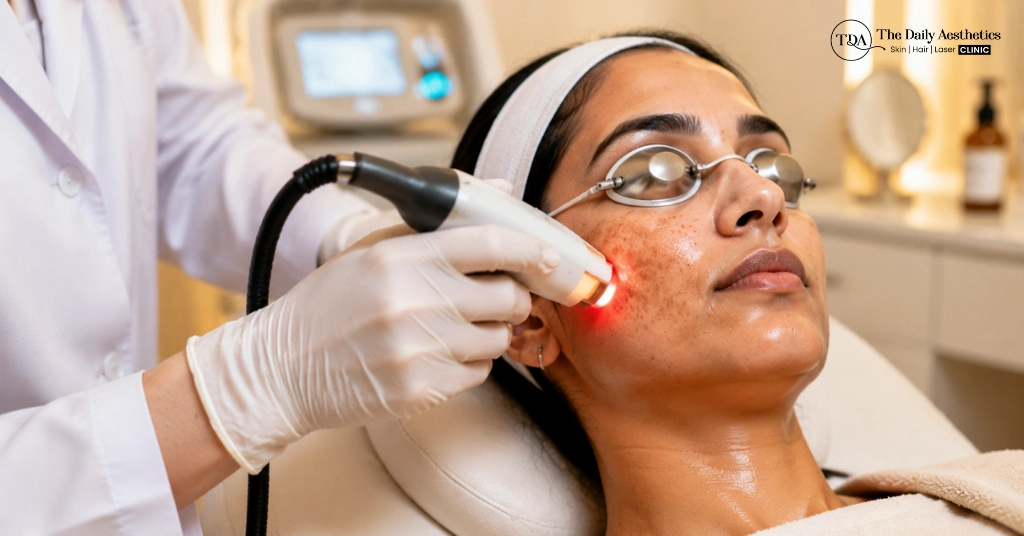
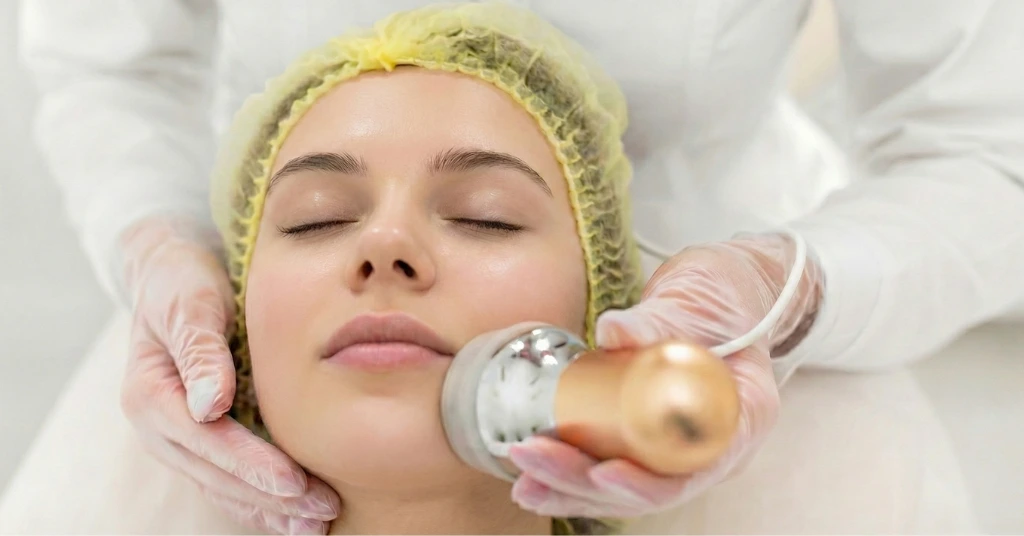
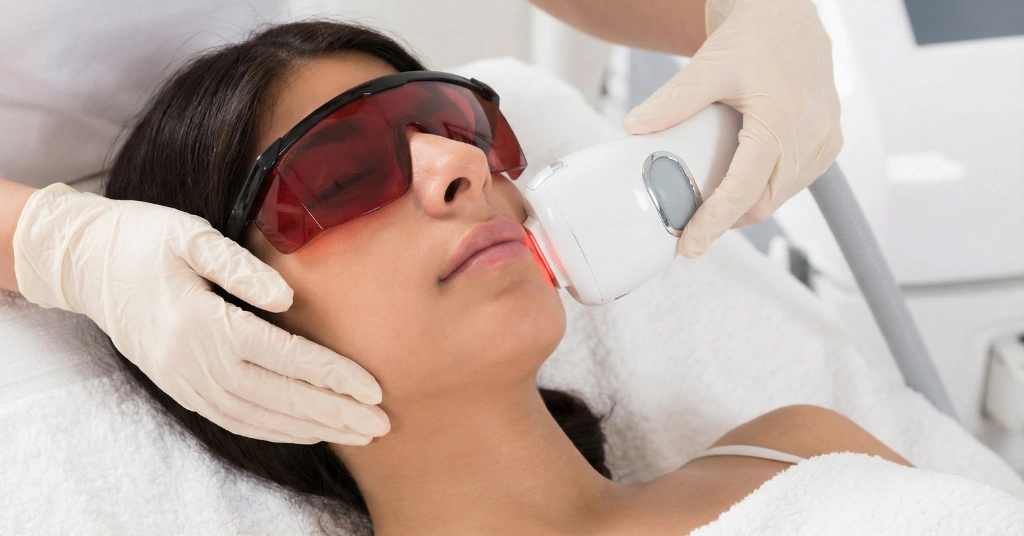
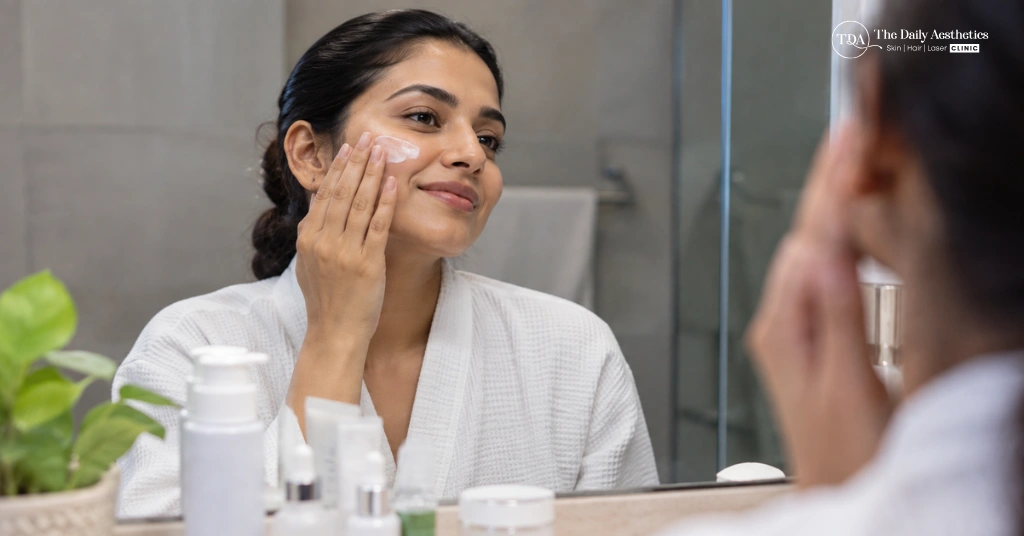
Introduction Festive season skin has its own kind of pressure. You want your makeup to sit smoothly, your photos to look fresh, and your skin to feel calm through Garba nights, late dinners, travel, lights, sweets, outdoor events, and Diwali celebrations. The reality is that your skin is doing a lot during this period. Sweat, heavy makeup, lack of sleep, pollution, extra sun exposure, dehydration, frequent cleansing, and last-minute product experiments can all show up as dullness, clogged pores, tanning, breakouts, dryness, or irritation. This festive skincare guide is designed to help you move from Navratri to Diwali with practical care, not panic. At The Daily Aesthetics Clinic, we often see that the best festive glow comes from simple planning, gentle consistency, and choosing professional treatments only when they genuinely suit your skin. Use this as a skin calendar for Pune’s festive season. It covers what to do before Garba, after long makeup nights, between Navratri and Diwali, on Diwali day, and after the celebrations when your skin needs recovery rather than more pressure. Key Takeaways How Should You Prepare Your Skin Before Navratri Begins? Prepare your skin before Navratri by keeping your routine simple, consistent, and barrier-friendly. Focus on cleansing, hydration, moisturizing, sunscreen, and only one or two targeted actives if your skin already tolerates them. This is not the right time to start harsh scrubs, strong peels, or multiple new products together. The goal before the festive rush is not to transform your skin overnight. It is to make your skin calmer, more hydrated, and less reactive so makeup applies smoothly and your skin can handle longer evenings. A practical pre-Navratri routine can include a gentle cleanser, lightweight moisturizer, broad-spectrum sunscreen in the morning, and a calming night routine that supports the skin barrier. If you already use vitamin C, niacinamide, retinol, or exfoliating acids, keep them steady rather than increasing frequency right before events. If your skin is acne-prone, pigmented, sensitive, or recently irritated, avoid copying routines from reels or friends. What gives one person a glow can cause another person redness, bumps, or peeling. Want Festive Glow Without Product Overload? Start with a skin assessment so your routine matches your skin type, sensitivity, and festive calendar. Explore HydraFacial Treatment In Pune What Should You Do Before a Garba Night? Before a Garba night, prep your skin for sweat, friction, makeup, and long hours. Choose lightweight hydration, non-comedogenic makeup, sunscreen for outdoor events, and a primer or base that suits your skin type. Avoid thick layers if your skin is oily, acne-prone, or easily congested. Garba is beautiful, but your skin experiences heat, sweat, dust, lights, hair products, jewellery friction, and repeated touching through the evening. The best pre-Garba skincare is not heavy. It is breathable. Cleanse your face before makeup so sweat and oil are not trapped under layers. Use a moisturizer that settles well and does not pill. If you are applying sunscreen, allow it to absorb before makeup. For oily or combination skin, choose lighter textures and blotting papers instead of adding powder again and again. For sensitive skin, skip last-minute brightening masks, strong acids, and unfamiliar products. A calm skin barrier will always look better under makeup than irritated skin trying to hide under more concealer. How Can You Protect Your Skin During Garba Sweat and Makeup? During Garba, protect your skin by managing sweat gently instead of repeatedly wiping or rubbing the face. Use a clean tissue or soft towel to blot sweat, keep your hands away from acne-prone areas, drink water regularly, and avoid layering more heavy makeup over sweat and oil. Sweat itself is not the enemy. The problem starts when sweat mixes with heavy makeup, dust, oil, sunscreen residue, hair spray, and repeated touching. This can make pores feel clogged and may trigger small bumps, blackheads, whiteheads, or irritation after a few festive nights. Keep a small skin-safe kit with blotting paper, a clean tissue, lip balm, and water. Avoid using shared makeup, dirty sponges, or old brushes during the festival rush. These small hygiene habits can make a visible difference, especially for acne-prone skin. What Should Your Post-Garba Night Routine Look Like? After Garba, your routine should focus on complete makeup removal, gentle cleansing, hydration, and calming the skin. Do not sleep with makeup, do not scrub aggressively, and do not use strong actives if your skin feels hot, red, dry, or irritated after a long night. This is the step many people skip because they are tired. But post-Garba cleansing is where you prevent the next morning’s clogged pores, dullness, and makeup-related breakouts. A practical night routine can include an oil-free makeup remover or cleansing balm if suitable for your skin, followed by a mild cleanser. Then use a simple moisturizer or barrier-supporting product. If you use actives, pause them for the night if your skin feels sensitive or overworked. Do not try to punish your skin after heavy makeup. Over-cleansing, steaming, scrubbing, and using several actives together can make the barrier weaker and the face more irritated the next day. Seeing Breakouts After Festive Makeup? If your pores feel congested or your acne flares after heavy makeup, a concern-based facial may help your skin reset safely. Explore Medicated Facial Treatment In Pune What Should You Do Between Navratri and Diwali? Between Navratri and Diwali, give your skin a recovery window. This is the best time to address dullness, dehydration, mild tanning, clogged pores, rough texture, or makeup fatigue without rushing into aggressive treatments too close to your main Diwali events. Think of this phase as a repair week. Your skin may look tired because of late nights, outdoor exposure, sweat, pollution, dehydration, and frequent makeup. Instead of chasing instant brightness, aim for a healthier base. If the main concern is dehydration and dull texture, professional hydration-focused options such as Skin Booster Treatment In Pune may be discussed after consultation. If the concern is surface dullness, congestion, or pre-event glow, a gentle facial plan may be
From Garba Nights To Diwali Lights: Your Festive Skincare Guide Read More »
Skin Care